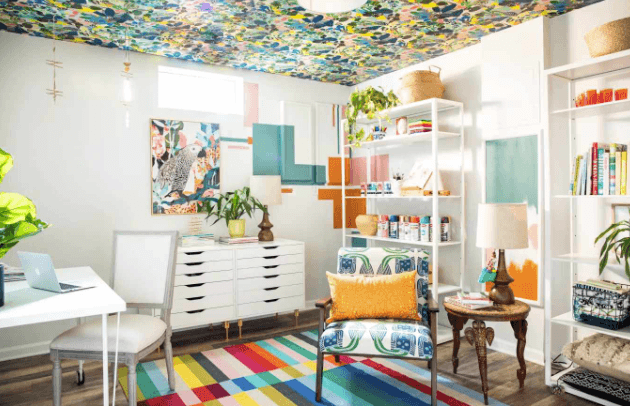
A hobby space benefits from smart zoning: clear work, storage, display, and cleanup areas that align with the user’s habits. Tools stay within arm’s reach, cables tucked, sightlines kept clean. Flexible, modular surfaces invite change without chaos, while labeled bins and adaptable shelves preserve flow. Lighting and acoustics balance fatigue and focus, and budget-friendly touches personalize the room. The plan invites a next step, where layout and tone meet personal method. The spark to optimize isn’t far behind.
Create a Smart Layout for Your Hobby Space
A smart layout for a hobby space begins with clear zones: work, storage, display, and cleanup.
The plan emphasizes ergonomic zones for comfort, ensuring posture-friendly workstations and reachable tools.
Cable management threads tidy paths along desks, minimizing tangles.
Clear sightlines reduce clutter, while adaptable surfaces invite experimentation.
Flexibility, rhythm, and intention define a space that honors freedom and disciplined creativity.
Storage Solutions That Spark Creative Flow
Strategic storage becomes the quiet engine of creative flow, translating clutter into clarity with modular systems, labeled bins, and accessible tiers that invite hands-on experimentation.
Storage optimization emerges in careful placement and rugged efficiency, where modular shelving supports versatile projects and reconfigurable compartments.
The result is a liberated workspace, enabling focused exploration, spontaneous assembly, and ongoing creative flow across every hobby endeavor.
Lighting and Acoustics for Focused Sessions
Lighting and acoustics shape the cadence of focused sessions, turning a room into a measured instrument where brightness cues attention and sound sculpts concentration. Thoughtful placement of noise cancelling panels and calibrated color temperature tune perception, reducing fatigue while preserving ambience. This balance permits deliberate work, inviting freedom to create without distraction, as environments become precise, expressive tools for sustained immersion.
Personalize and Protect Your Workspace on a Budget
For a hobby room, personalization and protection can be achieved on a budget by smart, deliberate choices that blend function with character. A detached observer notes affordable accents: labeled storage, recycled containers, and modular shelving that adapts. Personalize workspace with color touches, while protect budget by DIY mats, cord management, and durable, low-cost finishes. Freedom thrives in organized, intentional spaces.
Frequently Asked Questions
How Do I Choose Color Schemes for a Multi-Use Hobby Room?
Color psychology guides selecting versatile hues while maintaining focus zones; pair neutrals with accent tones to harmonize tools and resting areas. Lighting layering, including task, ambient, and accent, clarifies mood and boosts adaptability for a freedom-loving creator.
What Budget-Friendly Tools Every Hobbyist Should Own?
A budget-friendly toolkit shines like a trusted compass: essential, portable, and reliable. For the hobbyist, budget friendly tools and hobbyist essentials cover pliers, screwdrivers, a utility knife, tape, level, and a compact drill—freedom through practical gear.
How Can I Manage Cable Clutter Without Sacrificing Aesthetics?
Cable organization can reduce clutter while preserving aesthetic balance; smart tool storage supports workspace ergonomics, revealing a freer creative flow. He adopts concealed channels, labeled bins, and hanging rails, weaving efficiency into form without compromising personal expression.
What Safety Measures Are Essential in a Hobby Workshop?
Safety PPE, Ventilation upgrades, Cable management, and Storage solutions form essential safety measures in a hobby workshop; the detached observer notes diligent protection, proper airflow, organized cords, and accessible, modular storage empowering makers to work freely yet responsibly.
See also: The Evolution of Altcoins After Bitcoin
How Do I Schedule Maintenance to Extend Equipment Life?
Maintenance scheduling optimizes uptime and reduces downtime, thereby supporting equipment life extension. It requires disciplined routines, proactive checks, and documented logs, enabling responsible operators to balance freedom with accountability while preserving performance, safety, and long-term project momentum.
Conclusion
A well-planned hobby room becomes a heartbeat, steady and inviting. When Sam rearranged modular shelves, cords vanished into neat tunnels and a sunlit desk appeared where doubt once lingered. The room saved him five minutes each session, a tiny but tangible win. Data from makerspaces shows organized zones boost task focus by up to 30%. Like a musician tuning a guitar, this space harmonizes purpose and play, inviting experimentation while protecting flow. Creativity thrives where layout and calm converge.
